
Dengue or Flu? How to Tell the Difference and Spot the Warning Signs
September 21, 2026 2026-09-21 4:21Dengue or Flu? How to Tell the Difference and Spot the Warning Signs
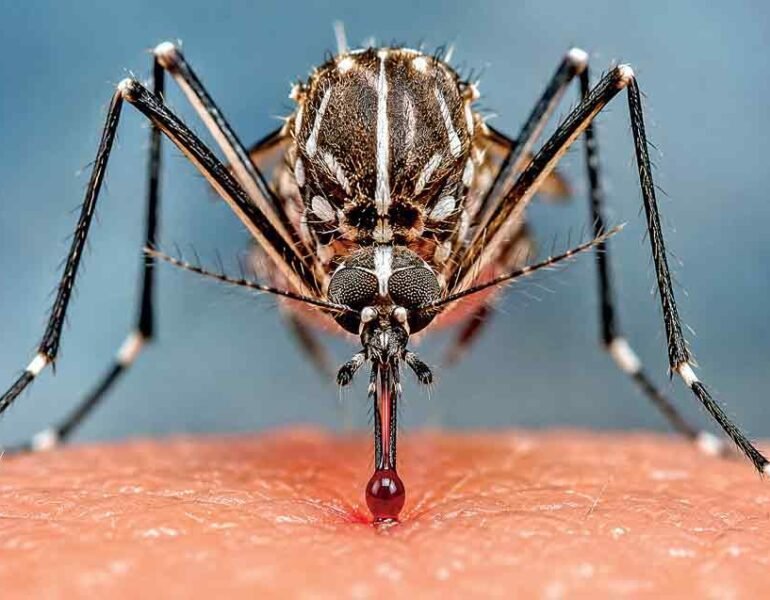

Sri Lanka’s 2026 dengue outbreak has officially reached epidemic level, with more than 94,000 confirmed cases nationally and over 29,000+ in July alone, the country’s worst season since the 2019 epidemic. If you’ve had a fever recently, there’s a good chance someone in your house has asked: “Is this dengue or just the flu?”
The honest answer, according to doctors treating both illnesses right now, is that you cannot tell from home. Dengue and seasonal influenza look almost identical for the first two or three days, and that overlap costs lives every single year, not just during outbreak years like this one.
What is dengue, and how does it spread?
Quick Answer:
Dengue is a mosquito-borne viral illness common in Sri Lanka year-round, with two seasonal peaks tied to the monsoons. Early symptoms (fever, headache, body aches) overlap heavily with flu, so doctors recommend a Full Blood Count test if the fever lasts more than two days. The most dangerous phase often begins after the fever breaks, not before. Prevention centres on removing standing water around the home every week.
Dengue is a viral infection spread through the bite of an infected Aedes mosquito, the same family of day-biting mosquitoes responsible for chikungunya and Zika elsewhere in the world. In Sri Lanka, both Aedes aegypti and Aedes albopictus are established, native species, which is part of why the disease has become so difficult to eliminate. The virus cannot spread directly from person to person. It needs a mosquito to bite an infected person and then bite someone else days later, which is why breaking the mosquito’s breeding cycle, not just treating sick patients, sits at the centre of national control efforts.
Colombo and the wider Western Province carry the heaviest share of this burden year after year, a pattern this year’s figures continue to reflect (more on that below).
Once bitten, a person typically develops symptoms within four to ten days. The illness usually runs its course in under a week, though recovery and the platelet count returning to normal can take longer. Most cases are mild to moderate. A smaller share progresses to severe dengue, which is the phase that requires hospital monitoring and, occasionally, intensive care.
Dengue or flu? How to actually tell the difference
With both illnesses circulating through much of the year in Sri Lanka, doctors raise a specific, recurring concern: families try to diagnose themselves at home and get it wrong. Consultant Paediatrician Dr. Maheshaka Wijayawardena has been blunt about where that decision should actually be made.
“Dengue or influenza, decide it at the dispensary, not at home. If fever lasts more than two days, consult a doctor. Symptoms can overlap initially. A Full Blood Count helps to differentiate, “says Dr. Maheshaka Wijayawardena, Consultant Paediatrician.
The reasoning is straightforward. In the first one to two days, dengue and flu can both present as fever, headache, body aches and general fatigue. There is no reliable way to separate the two by symptoms alone in that early window, and a simple Full Blood Count test is what actually tells a doctor whether platelets are dropping or the blood picture looks like dengue rather than a viral flu. Waiting at home to “see how it goes” delays the one test that would have given a clear answer days earlier.
This overlap is not a rare coincidence. Influenza in Sri Lanka has its own seasonal peaks, typically from April to June and again from November to January, which lines up closely with the two periods when dengue transmission also tends to rise. Whatever year it is, this is the window where confusion between the two illnesses is most likely, which is exactly why health authorities run targeted surveillance in high-risk areas through both monsoon periods every year.