
Global Earth Day
September 21, 2026 2026-09-21 4:24Global Earth Day
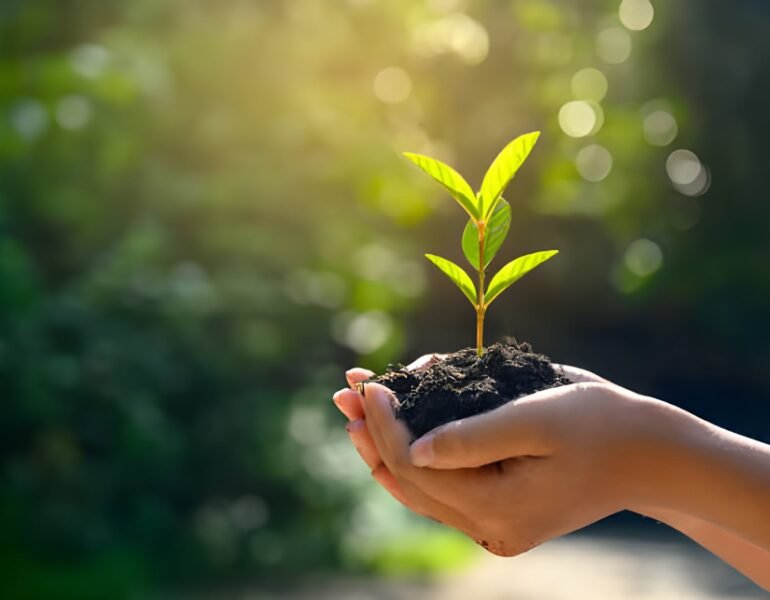

Earth Day is an annual global event celebrated on April 22 to demonstrate support for environmental protection, sustainability, and climate action. Recognized as the largest secular observance in the world, it mobilizes over one billion people across more than 190 countries every year.
Key Aspects of Earth Day
- Origin and History: Earth Day was first held on April 22, 1970, in the United States. It was founded by U.S. Senator Gaylord Nelson as an environmental “teach-in” inspired by student anti-war movements and the devastating 1969 Santa Barbara oil spill.
- Going Global: In 1990, organizer Denis Hayes took Earth Day international, mobilizing 200 million people across 141 nations, which significantly boosted global eco-awareness and paved the way for the 1992 UN Earth Summit.
- Policy Impact: The movement has historically helped catalyze major legislation, including the creation of the U.S. Environmental Protection Agency (EPA) and the passage of the Clean Air, Clean Water, and Endangered Species Acts. More recently, the United Nations chose Earth Day in 2016 to officially sign the landmark Paris Climate Agreement.
- Core Focus Areas: The day highlights critical ecological challenges, such as:
- Combating climate change and reducing greenhouse gas emissions.
- Phasing out single-use plastics and curbing pollution.
- Halting deforestation and protecting global biodiversity.
- Accelerating the global transition to renewable energy sources.
How People Get Involved
Millions of individuals, schools, businesses, and governments participate in Earth Day actions, ranging from large-scale community clean-ups and tree-planting drives to educational seminars and policy advocacy. Everyday sustainable habits championed during Earth Day include:
- Reducing individual carbon footprints through eco-friendly transportation and energy conservation.
- Minimizing waste via recycling and composting.
- Making conscious consumer choices, such as supporting sustainable fashion or adopting plant-forward diets.
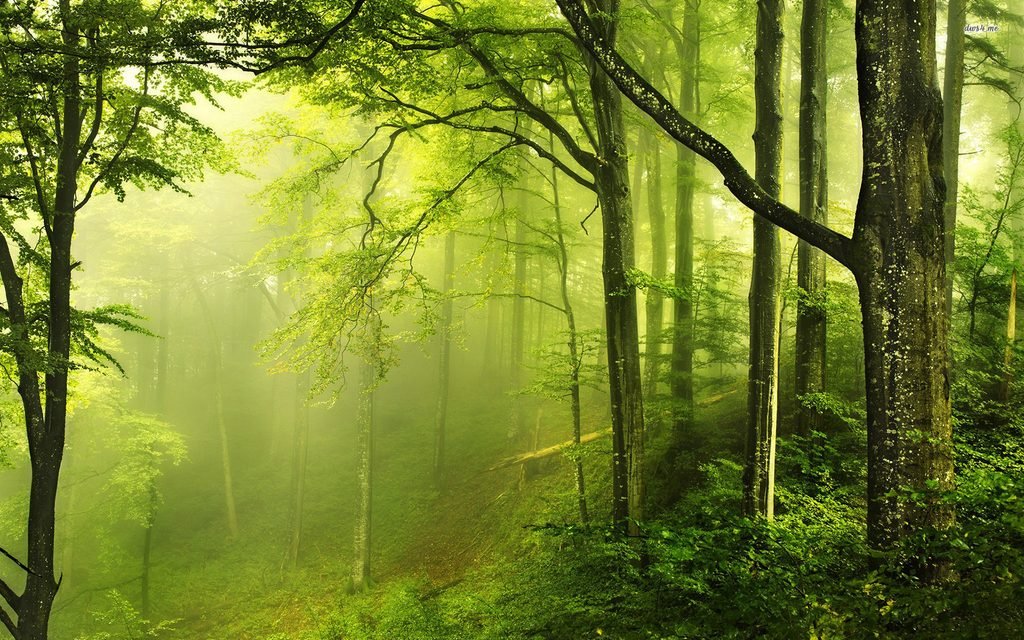
What is a Forest?
A forest is a complex ecosystem characterized by a dense covering of trees and other woody vegetation. Covering approximately 31% of the Earth’s land area, forests are dynamic environments that support the vast majority of the planet’s terrestrial biodiversity, regulate global weather patterns, and serve as crucial carbon sinks.
Key Types of Forests
Tropical Rainforests
Located near the equator (e.g., the Amazon and Congo basins), these forests are warm and wet year-round, boasting the highest biodiversity on Earth and multi-layered canopies.
Temperate Forests
Found in regions with distinct seasonal changes (such as North America, Europe, and East Asia), featuring a mix of deciduous trees (which lose leaves annually) like oak and maple, alongside conifers.
Boreal Forests (Taiga)
The northernmost forest biome, circling subarctic regions like Canada, Scandinavia, and Russia. Dominated by cold-tolerant evergreen conifers like pine, fir, and spruce.
#mahindamhttya #rataanurata #sathyabohomakatukai akd_frvr chilling_like_a_villian maduruwa-bike mosquito rip_nkk